
04 Nov 2026

Choosing the right commercial space is one of the most important decisions when starting or expanding a business. The right location and property type can influence your business visibility, customer experience, operational efficiency and future growth.
When exploring commercial real estate opportunities in Gurugram, Noida and Delhi NCR, business owners often come across two options: SCO plots and conventional commercial properties. While both are designed for business activities, they differ in terms of development, flexibility, investment requirements and usage.
In this guide, we will explore the differences between SCO plots and commercial properties, compare their features and benefits, and help you understand which option may be more suitable for your business goals.
What Are SCO Plots?
SCO stands for Shop-Cum-Office. These are commercial plots designed to accommodate retail shops, offices and other permitted business activities within an approved development.
Unlike a conventional commercial unit, an SCO plot may offer the opportunity to develop a commercial building across multiple floors, subject to the applicable building plans, zoning regulations and approvals.
For example, a business owner may use the lower floor for a showroom and upper floors for offices, depending on the permitted use of the property.
Key features of SCO plots:
Independent commercial plot within an approved development.
Potential for shop and office use.
Greater scope for customising the building layout, subject to approvals.
Potential for multiple business activities across permitted floors.
Suitable for businesses that want a dedicated commercial identity.
SCO developments are particularly relevant in growing business destinations such as Gurugram, where commercial activity, residential communities and retail demand often come together.
What Is Conventional Commercial Property?
Conventional commercial property refers to real estate developed primarily for business activities. It includes retail shops, office spaces, showrooms, commercial units, shopping complexes and other business premises.
Unlike an SCO plot, which generally involves a plot-based development model, conventional commercial property is often available as a ready-built or under-construction unit within a larger commercial building or complex.
For example, a business owner may purchase a retail shop in a shopping complex or lease an office in a commercial tower.
Key features of conventional commercial property:
Ready-built shops, offices and commercial units may be available.
Different unit sizes and configurations.
Shared facilities in many commercial developments.
Suitable for businesses requiring a specific commercial space.
Ownership and maintenance arrangements depend on the project and agreement.
3. Why Does Choosing the Right Commercial Property Matter?
A commercial property is more than just a physical location. It becomes part of your business identity and can influence how customers experience your brand.
Before selecting an SCO plot or a conventional commercial unit, consider the following factors.
Business visibility: A property in a suitable location can help your business reach its target customers.
Customer accessibility: Parking, road connectivity, public transport and nearby residential areas can influence customer convenience.
Operational requirements: A showroom, consultancy office, restaurant and retail outlet may all require different layouts and facilities.
Long-term flexibility: Some businesses may benefit from a property that allows more control over layout and space, while others need a ready-to-use unit.
Financial planning: Purchase price is only one part of the investment. Construction, interiors, maintenance, taxes and operating expenses should also be considered.
A property that suits your business today should ideally support its future requirements as well.
How Do SCO Plots and Commercial Properties Work?
Although both are designed for commercial activities, their development and usage models can differ.
How SCO plots work
Select an SCO plot in an approved commercial development.
Review the plot's title, ownership and applicable land-use permissions.
Check the permitted building plan, floor usage and development conditions.
Obtain the required approvals before construction.
Develop the property according to the sanctioned plans.
Use the completed premises for permitted business activities or explore leasing opportunities, subject to applicable conditions.
How conventional commercial properties work
Identify the required type of commercial unit.
Compare location, size, accessibility and facilities.
Review the project's legal documents and applicable approvals.
Understand the ownership, lease and maintenance conditions.
Complete the purchase or rental agreement.
Set up your business according to the permitted use of the unit.
The biggest difference is that an SCO plot may involve a separate development and construction process, while a conventional commercial unit may offer a more straightforward route to setting up a business.
Benefits and Advantages
Benefits of SCO plots
1. Greater development flexibility
SCO plots may offer greater control over building design and layout compared with buying a pre-built commercial unit. This flexibility remains subject to sanctioned plans and applicable regulations.
2. Dedicated business identity
An independently developed commercial building can help businesses establish a distinct presence.
3. Multiple permitted uses
Depending on the approved development and building plan, different floors may accommodate different commercial activities.
4. Potential rental opportunities
Owners may explore leasing permitted portions of the property, depending on ownership rights, building configuration and applicable rules.
Benefits of conventional commercial property
1. Easier business setup
Ready-built units can reduce the time and effort involved in developing an entire building.
2. Variety of choices
Buyers can explore different unit sizes, locations and commercial categories.
3. Shared infrastructure
Many commercial developments offer common facilities such as parking, lifts, security and maintenance services.
4. Suitable for smaller businesses
A single retail shop or office unit may be sufficient for businesses that do not need an independent building.
SCO Plots vs Commercial Property: Complete Comparison
Frequently Asked Questions
Q1. What is the main difference between SCO plots and commercial property?
SCO plots are a type of commercial property that offer a plot-based development model. Conventional commercial property generally refers to ready-built shops, offices, showrooms or units within commercial developments.
Q2. Are SCO plots good for starting a business?
They can be suitable for businesses that need dedicated commercial space, greater layout flexibility and the potential to develop their own premises. However, construction costs, approvals and timelines should be considered.
Q3. Can I use an SCO plot for both shops and offices?
SCO stands for Shop-Cum-Office. However, the actual permitted use, floor configuration and construction must comply with the project's approved plans and applicable regulations.
Q4. Which is more affordable: SCO plots or commercial shops?
There is no fixed answer. SCO plots may involve land acquisition and construction expenses, while commercial shops may have a higher or lower purchase price depending on their location, size, development and facilities. Compare the complete cost rather than the purchase price alone.
Q5. Can I earn rental income from SCO plots?
Potentially, yes. Owners may be able to lease permitted commercial spaces, subject to ownership rights, project conditions, applicable laws and rental demand.
Q6. Are SCO plots available in Gurugram and Delhi NCR?
Commercial plotted developments and SCO projects exist in parts of the wider NCR region. Availability, permitted usage and project approvals vary by location. Buyers should verify individual projects before making a decision.
Q7. What documents should I check before purchasing commercial property?
Check the ownership and title documents, applicable land-use permissions, sanctioned building plans, project registration where applicable, completion or occupancy certificates where required, agreement terms and outstanding dues.
Final Thoughts :-
Choosing between SCO plots and conventional commercial property is not simply about selecting a type of real estate. It is about finding a space that matches your business vision, financial planning and operational needs.
If you want greater control over development, a dedicated commercial identity and the potential to use multiple floors, an SCO plot may be worth exploring.
On the other hand, if you prefer a ready-built shop, office or showroom with potentially quicker business setup, conventional commercial property may be a more practical choice.
For business owners exploring opportunities in Gurugram, Noida and Delhi NCR, location, accessibility, permitted usage and project documentation should remain central to the decision.
Related blogs

05 Nov 2024
Eco-Friendly Housing Options and Trends

08 Apr 2025
The Evolution of Gurgaon, From Industrial Hub to Real Estate Powerhouse
08 Apr 2025
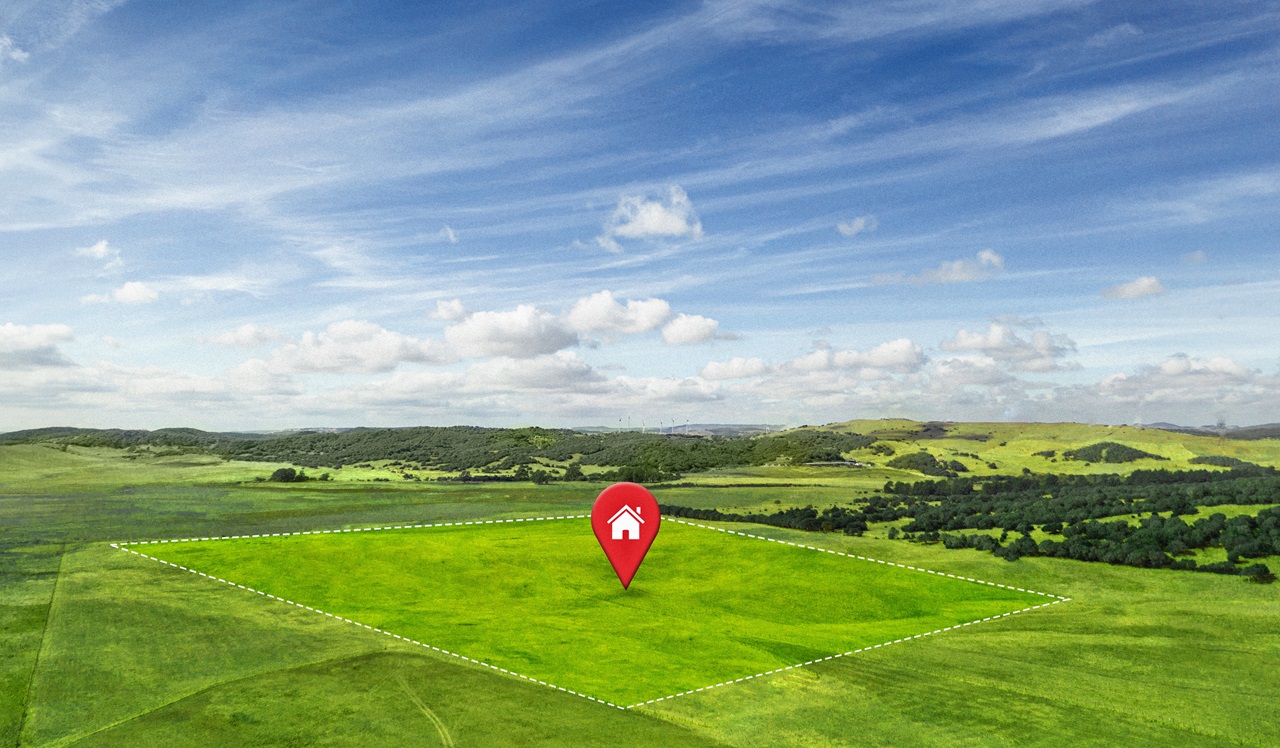
Understanding Gurgaon’s Upcoming Real Estate Hotspots

29 May 2025
Pre-Launch Properties in Gurugram: Are They Worth It in 2025?
31 May 2025
Office Space for Sale in Gurgaon – Best Locations & Investment Opportunities in 2025

08 Jun 2025
Residential Property in Gurugram: Find the Perfect Flat That Fits Your Lifestyle & Budget

20 Sep 2026